India vs England Cricket Timeline of Epic Battles
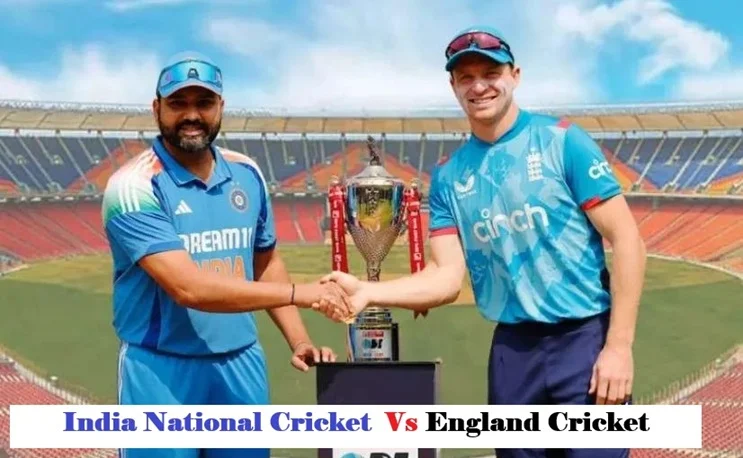
The rivalry between the India national cricket team and England cricket team represents one of the most compelling narratives in international sports. Spanning over nine decades, this competition has evolved from colonial-era encounters to modern-day battles that captivate billions of fans worldwide. This comprehensive timeline explores the defining moments, legendary performances, and cultural significance of this enduring cricket rivalry.
The Beginning: 1932 – India’s First Test
The story begins at Lord’s Cricket Ground in June 1932, when India played their inaugural Test match against England. This historic moment marked India’s entry into the elite club of Test-playing nations. The match held deep symbolic significance, occurring during British colonial rule in India.
England dominated that first encounter, winning by 158 runs. Despite the defeat, the Indian team showed glimpses of potential that would eventually transform into consistent competitiveness. CK Nayudu, India’s first Test captain, led his team with dignity and determination, establishing traditions that future generations would build upon.
This match wasn’t merely about cricket statistics. It represented India’s growing sporting identity and the beginning of a relationship that would outlive colonial rule and flourish in the independent era.
The Early Years: Learning and Growing (1932-1970)
Throughout the 1930s, 1940s, and into the 1950s, India struggled against England’s cricketing superiority. The English team possessed greater experience, superior infrastructure, and established playing traditions. India’s victories during this period were rare but celebrated with enormous enthusiasm.
The 1952 series marked a turning point when India recorded their first-ever Test victory on English soil at Headingley, Leeds. Vinoo Mankad’s all-round brilliance inspired that historic win, proving that Indian cricket had matured significantly since those early days at Lord’s.
By the 1960s, Indian cricket developed distinctive characteristics. Spin bowling became a formidable weapon with legends like BS Chandrasekhar and EAS Prasanna terrorizing English batsmen on Indian pitches. The rivalry was becoming more balanced, though England still held overall advantage in head-to-head statistics.
The 1971 Triumph: India Conquers England
One of the most significant chapters in this rivalry unfolded during India’s tour of England in 1971. Under Ajit Wadekar’s captaincy, India achieved something previously unthinkable: winning a Test series on English soil.
The series victory at The Oval, sealed with a memorable four-wicket win, sent shockwaves through the cricket world. Sunil Gavaskar announced himself on the international stage with consistent batting performances. The spin trio of Chandrasekhar, Prasanna, and Venkataraghavan bamboozled English batsmen throughout the series.
This triumph changed Indian cricket psychology forever. It proved that Indian teams could compete and win anywhere in the world. The victory sparked nationwide celebrations and remains one of the proudest moments in Indian cricket history.
World Cup Drama: 1975 and Beyond
The inaugural Cricket World Cup in 1975, hosted by England, added another dimension to this rivalry. Though India lost their group stage match against England convincingly, the tournament experience proved invaluable for Indian cricket’s limited-overs evolution.
The real World Cup breakthrough came in 1983. While the final victory over West Indies remains the tournament’s headline story, India’s performance against England during that competition demonstrated their growing confidence in one-day cricket. The group stage victory at Old Trafford showcased India’s ability to compete with established limited-overs powers.
The Modern Era Emerges: 1980s-1990s
The 1980s and 1990s witnessed both teams producing extraordinary talents who defined the rivalry. For India, Sunil Gavaskar, Kapil Dev, and Mohammad Azharuddin became household names. England countered with Ian Botham, David Gower, and later, Graham Gooch.
Test series during this period were fiercely contested. The 1986 series in England saw India compete admirably, with memorable individual performances keeping matches closely fought. These decades established patterns that continue today: spinning tracks in India challenging English batsmen, while swinging conditions in England testing Indian technique.
Sachin’s Era: The 1990s-2000s
The arrival of Sachin Tendulkar transformed India-England encounters. From his teenage debut, Tendulkar dominated English bowling attacks with technical perfection and aggressive intent. His century at Old Trafford in 1990 announced a generational talent who would torment England for over two decades.
The 2002 NatWest Series final at Lord’s provided one of the most dramatic moments in this rivalry. India, chasing 326, seemed destined for defeat before Mohammad Kaif and Yuvraj Singh orchestrated an impossible victory. Sourav Ganguly’s celebratory shirt-waving on the Lord’s balcony became an iconic image symbolizing India’s newfound aggression and confidence.
Test Cricket Excellence: 2000-2015
The early 2000s produced several memorable Test series. England’s 2012 tour of India became legendary when Kevin Pietersen’s masterful batting helped England achieve a rare series win on Indian soil. His counter-attacking centuries demonstrated how to succeed against Indian spin on turning pitches.
India responded emphatically during their 2014 tour of England. Though England eventually won the series, India’s competitive performances—particularly Lord’s Test heroics—showed the gap between teams had narrowed considerably. James Anderson and Stuart Broad proved formidable in English conditions, while Bhuvneshwar Kumar and Mohammed Shami showed India possessed quality pace bowling.
T20 Revolution and IPL Impact
The emergence of Twenty20 cricket and the Indian Premier League fundamentally altered this rivalry’s dynamics. English players participating in IPL created unprecedented familiarity between players from both nations. Jos Buttler playing for Rajasthan Royals, Ben Stokes representing various franchises, and numerous other English cricketers integrating into IPL teams changed relationship dynamics.
This cross-pollination enhanced mutual respect and understanding. Players who competed fiercely for their countries during international matches became teammates in IPL, sharing dressing rooms and strategies. This unique situation added fascinating layers to India-England contests.
Recent Battles: 2016-Present
Recent years have produced extraordinary cricket between these nations. The 2018 Test series in England, though England won 4-1, featured several closely contested matches. Virat Kohli’s exceptional batting—scoring over 600 runs including centuries at Edgbaston and Trent Bridge—reminded everyone why he’s considered one of modern cricket’s greats.
The 2021 series in England became unforgettable for multiple reasons. India led 2-1 with one Test remaining when COVID-19 complications forced the final Test’s postponement. The rearranged match eventually took place in 2022, adding unusual complexity to series records and statistics.
England’s aggressive “Bazball” approach under Ben Stokes and Brendon McCullum brought fresh energy to Test cricket. Their attacking philosophy produced spectacular entertainment, though India’s experienced cricketers adapted well to counter this aggressive strategy.
Limited-Overs Competitions
Beyond Test cricket, India and England have produced memorable limited-overs battles. The 2017 Champions Trophy final at The Oval saw India overwhelm England comprehensively, with Pakistan ultimately winning the tournament after defeating India in the final betaa2.com.pk.
The 2019 World Cup in England featured a thrilling group stage encounter. England’s batting firepower proved too much for India on that occasion, with Jonny Bairstow and Jason Roy providing explosive starts that became England’s trademark during their victorious campaign.
Cultural and Historical Significance
This rivalry transcends cricket statistics and match results. It represents the complex historical relationship between two nations—former colonizer and colony—now competing as equals on sporting fields. Cricket became the medium through which India asserted identity and demonstrated progress.
For English cricket, maintaining competitiveness against India remains crucial given India’s financial and administrative power in global cricket. The Board of Control for Cricket in India (BCCI) is the sport’s wealthiest governing body, and bilateral series against India generate enormous revenue for all opponents.
Legendary Players Who Defined the Rivalry
Several cricketers became synonymous with India-England encounters. For India: Sunil Gavaskar, Kapil Dev, Sachin Tendulkar, Rahul Dravid, Anil Kumble, MS Dhoni, and Virat Kohli all produced career-defining performances against England. These legends understood the rivalry’s significance and consistently delivered when it mattered most.
England’s list includes legendary names like Ian Botham, Graham Gooch, Alec Stewart, Andrew Flintoff, Kevin Pietersen, Alastair Cook, James Anderson, and Stuart Broad. Anderson’s longevity is particularly remarkable—he’s faced multiple generations of Indian batsmen, adapting and succeeding across different eras.
The Future of India-England Cricket
Looking ahead, this rivalry shows no signs of diminishing intensity. Both nations continue producing exceptional talent. India’s cricket infrastructure and talent pool ensure consistent quality, while England’s innovative approaches keep them competitive across formats 388 win.
The proposed expansion of Test cricket schedules, increased bilateral series, and continuing ICC tournament encounters guarantee regular India-England matches. Fans can anticipate many more chapters being written in this storied competition.
Climate change and global scheduling challenges may affect future tours, but the fundamental appeal of India versus England cricket remains undiminished. Whether at Lord’s, Eden Gardens, Old Trafford, or Wankhede Stadium, these matches generate unparalleled excitement and viewership.
Conclusion
The India-England cricket rivalry has evolved remarkably since that first Test match in 1932. What began as extremely unequal competition has transformed into one of international cricket’s most balanced and entertaining fixtures.
Both teams have experienced periods of dominance, produced legendary players, and created moments that transcend sport. The mutual respect between players, despite fierce on-field competition, exemplifies cricket’s spirit.
As cricket continues evolving—with new formats, technologies, and commercial realities—the India-England rivalry adapts while maintaining its essential character. Future generations will add their stories to this rich timeline, ensuring that cricket fans worldwide always have compelling India-England encounters to anticipate and cherish.